
A productive leadership retreat agenda should move your team from examining challenges to making decisions and assigning next steps. For a two-day retreat, use Day One to review performance, build alignment and identify priorities. Reserve Day Two for strategic decisions, implementation planning and accountability.
The key is to balance focused work with enough time for reflection, productive disagreement and genuine connection.
This guide provides a practical two-day leadership retreat agenda template, preparation steps, team activities and a follow-up framework you can adapt to your organization.
What Should a Leadership Retreat Agenda Include?
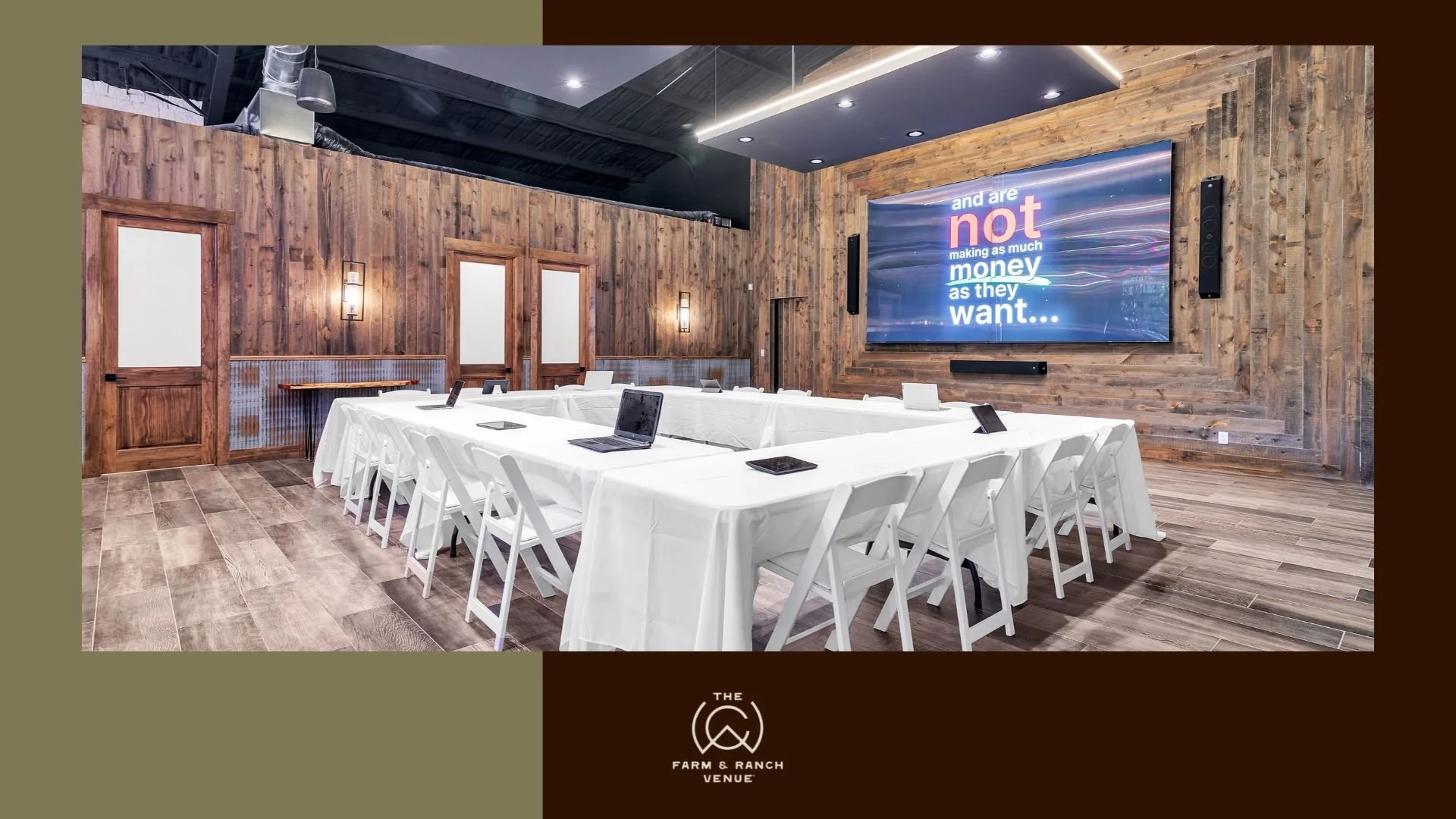
A leadership retreat agenda is a structured schedule for an offsite gathering that connects organizational goals with strategic discussions, leadership development, decisions and actionable next steps.
Unlike a routine status meeting, a retreat creates time for issues that require sustained attention from leaders across the organization.
An effective agenda includes six elements:
Clear leadership retreat goals: Identify the two or three outcomes the team must achieve.
Strategic planning: Review current performance, opportunities and risks.
Leadership development: Examine communication, collaboration and expectations.
Structured decision-making: Allow time to discuss trade-offs and approve priorities.
Relationship-building: Include shared meals, breaks or activities that encourage connection.
Action planning: Assign owners, milestones, success measures and review dates.
The right balance depends on your team. An established executive group may need more time for strategic decisions, while a newly formed leadership team may benefit from discussions about how members will work together.
Choose sessions based on the outcomes you want, not simply how much you can fit into the schedule.
How to Prepare Before Your Leadership Retreat
Thoughtful leadership retreat planning starts before anyone arrives. Use your time together for analysis and decisions rather than lengthy presentations of information participants could review in advance.
Set Two or Three Specific Goals
Start by agreeing on the questions the retreat should answer.
Common leadership retreat goals include:
Selecting annual business priorities
Resolving cross-department challenges
Preparing for organizational growth
Clarifying leadership responsibilities
Translate broad intentions into tangible outcomes.
Instead of "improve collaboration," aim to define how department leaders will share updates and resolve competing priorities.
Instead of "plan for growth," identify three proposed initiatives the team needs to evaluate and approve.
Invite People Who Can Contribute to Decisions
Attendance should follow the retreat's purpose.
An executive retreat may involve senior executives, founders or board members. A broader leadership gathering may include department heads or managers responsible for implementing the results.
Consider whether each participant brings essential knowledge, decision-making authority or implementation responsibilities.
If a critical stakeholder cannot attend, collect their input beforehand and clarify who can approve decisions in their absence.
Identify a Facilitator and Decision-Maker
A facilitator manages the schedule, encourages participation and keeps discussions focused. This may be an internal leader or an outside professional, particularly when conversations involve sensitive issues.
Separately, determine who has authority to approve final decisions.
These roles do not have to belong to the same person. Clarifying them helps prevent productive discussions from ending without a resolution.
Send a Short Pre-Retreat Brief
As a practical planning step, distribute preparation materials one to two weeks before the event.
Include:
Relevant performance summaries
Current organizational priorities
Important customer or employee insights
Questions requiring leadership input
Decisions the team needs to address
Ask participants to arrive with their biggest concerns and suggested priorities.
For additional guidance on designing an offsite around meaningful team needs, see Harvard Business Review's article, "Planning an Offsite for Your Leadership Team? Ask These 5 Questions."
The goal is to begin with a shared understanding so the group can spend more time working through decisions.
Two-Day Leadership Retreat Agenda Template
This two-day leadership retreat agenda is designed for teams focused on strategy, alignment and actionable outcomes.
Day One establishes a shared understanding of the organization's current position. Day Two narrows the options, confirms decisions and assigns responsibilities.
Planning note: This template assumes two full working days. If your retreat includes an overnight stay, confirm meeting-space access separately from lodging check-in and checkout. You may need an additional arrival night, extended meeting access or adjusted session times.
Day One: Leadership Alignment and Strategic Direction
| Time | Session | Intended Outcome |
|---|---|---|
| 8:30–9 a.m. | Arrival and welcome coffee | Participants settle in |
| 9–9:30 a.m. | Welcome and retreat objectives | Shared understanding of goals |
| 9:30–10:45 a.m. | Organizational performance review | Identify strengths and challenges |
| 10:45–11 a.m. | Break | Time to reset |
| 11 a.m.–12:15 p.m. | Strategic priorities workshop | Identify emerging priorities |
| 12:15–1:15 p.m. | Lunch and informal discussion | Strengthen connections |
| 1:15–2:15 p.m. | Leadership alignment workshop | Surface barriers to collaboration |
| 2:15–2:30 p.m. | Break | Time to reset |
| 2:30–3:30 p.m. | Define future success | Draft measurable priorities |
| 3:30–4:15 p.m. | Optional team activity | Encourage informal connection |
| 4:15–4:30 p.m. | Daily recap | Capture findings for Day Two |
| Evening | Shared dinner or free time | Allow relationships to develop |
Day Two: Decision-Making and Action Planning
| Time | Session | Intended Outcome |
|---|---|---|
| 8:30–9 a.m. | Morning recap | Confirm key findings |
| 9–10:30 a.m. | Strategic decisions and prioritization | Agree on top priorities |
| 10:30–10:45 a.m. | Break | Time to reset |
| 10:45 a.m.–noon | Implementation workshop | Establish actions and owners |
| Noon–1 p.m. | Lunch | Informal discussion |
| 1–2 p.m. | Leadership commitments workshop | Define working agreements |
| 2–2:15 p.m. | Break | Time to reset |
| 2:15–3 p.m. | 30-, 60- and 90-day action planning | Establish accountability |
| 3–3:30 p.m. | Final reflections and closing | Confirm decisions and next steps |
Use these schedules as a starting point rather than a fixed program. Adjust sessions to reflect your organization's priorities, group size and travel requirements.
Day One: Build Alignment and Identify Priorities
Day One focuses on understanding challenges and opportunities before debating solutions.
Open by confirming what the group needs to accomplish, which decisions require attention and how participants will approach confidentiality and respectful disagreement.
Review Performance Without Repeating the Pre-Read
Highlight trends that require leadership attention rather than presenting every available metric.
Depending on the organization, these might include financial performance, operational capacity, employee feedback or customer experience.
For example, increasing customer demand alongside slower project delivery may raise questions about staffing, systems or cross-department coordination.
Ask participants what the evidence means and which issues require further discussion.
Identify Priorities Independently, Then Compare Them
Before opening the floor, ask each leader to write down their three most important priorities.
Group similar responses and evaluate them using four criteria:
Expected organizational impact
Urgency and risk
Required resources and capacity
Alignment with long-term goals
Independent input gives quieter participants an opportunity to contribute before the group starts discussing solutions.
End the workshop with a shortlist of priorities to evaluate on Day Two.
Surface Leadership Alignment Issues
Use the afternoon to discuss obstacles that affect how leaders work together.
These may include delayed decisions, overlapping responsibilities or communication gaps between departments.
Focus on improving processes rather than assigning blame.
Close Day One by documenting areas of agreement, unresolved questions and the decisions requiring attention the following morning.
Day Two: Make Decisions and Create an Action Plan
Day Two turns the previous day's findings into choices the organization can implement.
Begin with a brief recap and confirm the criteria for making decisions.
Prioritize Initiatives and Make Trade-Offs
A simple impact-versus-effort framework can help leaders compare proposed initiatives.
| Priority Type | Recommended Approach |
|---|---|
| High impact, low effort | Consider acting quickly |
| High impact, high effort | Plan resources and milestones carefully |
| Low impact, low effort | Delegate or schedule appropriately |
| Low impact, high effort | Reconsider or defer |
Use the framework to discuss not only what the organization should pursue but also what it may need to stop, pause or deprioritize.
For example, leadership may identify a new customer service initiative as high impact but recognize that launching it requires delaying a lower-priority internal project.
A strong strategic planning retreat agenda creates space for these trade-offs rather than treating every proposed initiative as equally important.
Convert Each Priority Into a Clear Commitment
For every approved initiative, document the action, responsible owner, milestone and measure of success.
Example Leadership Action Plan
| Planning Element | Example |
|---|---|
| Strategic priority | Improve cross-department communication |
| First action | Introduce a monthly leadership alignment meeting |
| Responsible owner | Chief Operating Officer |
| First milestone | Establish meeting format within 30 days |
| Success measure | Departments submit and review monthly updates |
| Review date | 60 days after the retreat |
Leadership commitments should also clarify how participants will work together.
This might include agreements about decision escalation, information sharing or consulting departments affected by major changes.
Keep the commitments specific enough to guide everyday decisions.
Retreat Deliverables Checklist
Before leaving, confirm that your team has completed the following:
| Deliverable | What Should Be Completed |
|---|---|
| Strategic priorities | Two or three agreed priorities |
| Decision record | Approved decisions and unresolved issues |
| Accountability | A named owner for every initiative |
| Action plan | First milestones and deadlines |
| Success measures | Clear indicators of progress |
| Follow-up schedule | Confirmed 30-, 60- and 90-day reviews |
If an issue remains unresolved, identify who will address it and by when.
The retreat does not have to solve every organizational challenge. It should establish a clear path for the decisions that remain.
How to Customize Your Leadership Retreat Agenda

The same schedule will not suit every leadership team.
Adjust the balance of discussion, collaboration and working sessions according to the main reason you're gathering.
| Retreat Goal | Agenda Emphasis | Suggested Outcome |
|---|---|---|
| Annual strategic planning | Performance, priorities and resources | Approved strategic priorities |
| Leadership development | Communication and leadership expectations | Shared working agreements |
| Organizational change | Employee impact, transition and risk | Coordinated change plan |
| Executive alignment | Trade-offs and high-level decisions | Agreed direction |
| Cross-department collaboration | Workflow issues and joint problem-solving | Improved coordination plan |
If relationship-building is the primary objective, consider a team-building retreat that emphasizes collaboration and shared experiences.
The goal is to match the structure to the outcome rather than follow a generic agenda.
Leadership Retreat Activities That Support Your Goals
Not every meaningful activity needs to be elaborate or physically demanding.
Choose exercises that reinforce the retreat's objectives while giving participants an opportunity to interact outside formal discussions.
Reflection walks: Pair participants for a short walk with a question such as, "Which leadership behavior would most improve how our team works together?" Invite voluntary sharing afterward.
Collaborative problem-solving: Give mixed-department groups a realistic organizational challenge. Ask them to recommend a solution, identify trade-offs and outline an initial action.
Communication scenarios: Present a hypothetical decision involving competing priorities or incomplete information. Have participants practice how they would communicate and resolve the situation.
Optional recreation: Shared meals, outdoor games or informal activities can give leaders time to connect without another structured workshop.
At CW Farm and Ranch Venue in Fredonia, Kansas, leadership groups can incorporate ranch activities such as fishing, pickleball and hiking into their schedules.
For additional ideas that require minimal setup, explore our guide to outdoor games for corporate events.
Consider accessibility, weather, mobility and individual comfort levels. Offer lower-intensity alternatives and avoid making recreational participation compulsory.
Common Leadership Retreat Planning Mistakes
Even a thoughtful schedule can fall short if it ignores the limits of participants' time and attention.
Five common mistakes to avoid:
Including too many topics. Focus on issues that genuinely require collective leadership attention. Save routine updates for another meeting.
Replacing discussion with presentations. Share background materials beforehand so working sessions focus on analysis and decisions.
Leaving no breathing room. Protect breaks, meals and transitions. Participants need time to reflect and recharge.
Avoiding difficult trade-offs. Identify consequential questions early and reserve enough time to work through them.
Failing to assign ownership. End with documented decisions, responsible leaders and scheduled progress reviews.
Before finalizing your schedule, ask whether each session needs the full group and whether its intended outcome is realistic for the time allotted.
How to Choose a Setting for a Two-Day Leadership Retreat
Once your agenda is clear, confirm that the location can support your meeting schedule, breakout needs, lodging, meals, accessibility requirements and downtime.
If you're still comparing locations, our corporate retreat planning guide explains how to evaluate privacy, lodging, layout and other venue-selection factors.
At CW, teams can gather at a 700-acre ranch setting in Fredonia, Kansas, with flexible meeting areas and on-site lodging options, including the Main House, Party Barn, Sable House and Axis Inn.
Our leadership retreat venue in Kansas supports focused planning sessions and opportunities for leaders to connect beyond the meeting room.
CW's published corporate packages list 3 p.m. check-in and noon checkout. If your agenda requires two full working days, discuss meeting access and overnight arrangements before finalizing the schedule.
Review corporate retreat pricing and packages for current options.
For larger gatherings or other company offsites, explore our broader corporate retreats in Kansas.
What Should Happen After the Leadership Retreat?
The retreat's value depends on what happens after participants return to their regular responsibilities.
A simple follow-up structure keeps decisions visible and helps leaders address obstacles before progress stalls.
Within 48 Hours: Share the Outcomes
Distribute a concise summary of approved priorities, major decisions, assigned owners, deadlines and unresolved questions.
Make the document easy to reference and share relevant portions with other affected teams.
Within 30 Days: Review Early Progress
Confirm that initial actions have started and that responsible leaders have the resources they need.
Identify barriers, clarify outstanding questions and adjust timelines where necessary.
At 60 and 90 Days: Evaluate Results
Review agreed success measures and assess whether the actions are producing the intended progress.
Determine which initiatives should continue, change or stop.
For a practical reference on documenting responsibilities and maintaining accountability, see Atlassian's guide to tracking meeting action items.
The goal is not to create additional meetings. It's to ensure the decisions made during the retreat translate into meaningful action.
Frequently Asked Questions About Leadership Retreat Agendas
How long should a leadership retreat last?
Leadership retreats can range from a focused single day to a multi-day gathering, depending on the organization's objectives, travel needs and amount of work involved.
A two-day format allows time for strategic discussions, leadership alignment, decisions and implementation planning without requiring an extended program.
How many people should attend a leadership retreat?
Invite participants whose knowledge, authority or implementation responsibilities are essential to the retreat's goals.
Executive gatherings may involve a small senior team, while broader leadership retreats may include department heads or managers.
The goal is to include the perspectives needed to reach informed decisions.
What belongs in a strategic planning retreat agenda?
A strategic planning retreat agenda should include organizational performance, major risks and opportunities, proposed priorities, resource considerations and implementation planning.
Before closing, confirm the approved initiatives, responsible owners and milestones that will indicate progress.
How do you measure leadership retreat success?
Compare the results with the goals established before the event.
Evaluate whether leaders reached the necessary decisions, established clear responsibilities and agreed on measurable next steps.
Review implementation progress at 30, 60 and 90 days to determine whether those commitments are producing meaningful results.
How do you plan a two-day leadership retreat with one overnight stay?
Begin by checking when participants can access lodging and meeting spaces.
Two full working days may require early meeting access, an additional arrival night or an adjusted departure schedule.
Confirm these details with the venue before setting session times, meals and transportation.
Turn Your Leadership Retreat Agenda Into a Meaningful Experience
A productive leadership retreat gives your team dedicated time to align priorities, make important decisions and create a clear plan for what comes next.
At CW Farm and Ranch Venue in Fredonia, Kansas, leadership teams can gather in a ranch setting with on-site lodging, flexible meeting areas and opportunities to connect beyond formal sessions.
Whether you're organizing annual strategic planning, an executive offsite or leadership development, the retreat can be shaped around your team's objectives.
Explore our leadership retreat venue in Kansas or contact the CW team to discuss your dates, group size, meeting needs and retreat goals.
Give your leadership team space to think clearly, connect meaningfully and leave with a plan they can put into action.
